
Written by Fikrat Al Morda
Living in Canada for nearly 20 years has profoundly transformed the way I see and experience the natural world. I grew up in a country known for its lush green mountains and Mediterranean warmth, so arriving in Canada introduced me to an entirely new rhythm of the Earth—one shaped by dramatic seasonal shifts and landscapes unlike anything I had known. At first, the Canadian winter felt formidable, a season I would have gladly avoided. But as I began to look more closely, listen more deeply, and embrace the changing seasons, my perspective gradually transformed. I discovered that each season carries its own distinct beauty, rhythm, and invitation to wonder. Opening my heart to that beauty awakened in me a deeper desire: to help fellow educators see, experience, and share the wonders of the natural world with the children and communities they serve.
Children Taste Space
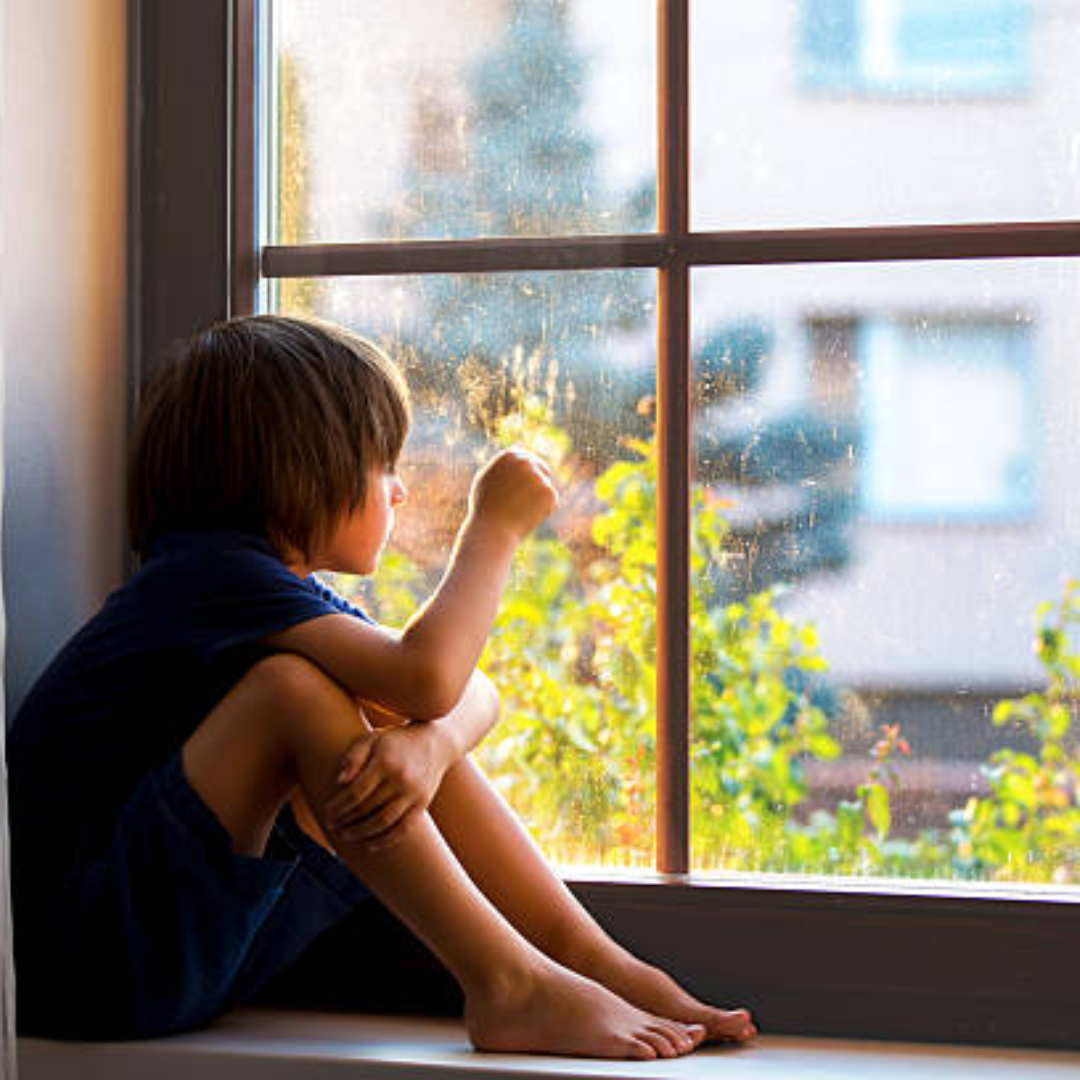
I noticed while working with children that they possess an innate, powerful hunger for the outdoors. Children taste space, and when we give them the true physical and emotional room they crave, we watch them expand beyond indoor boundaries. Without the artificial walls and rigid constraints of traditional indoor classrooms, children's curiosity is fully unleashed. Observing the natural world right outside through our classroom window invites them to ask daily questions about what is happening in the environment: “I see the trees are moving. Is it windy outside? I heard the birds chirping this morning. Is spring on the way? I noticed the puddles were frozen this morning. Is winter approaching?”
By slowing down to watch the world together right outside our window, we open the door for children not just as a place to play, but as a living teacher.
Embracing the Seasons: A Year-Round Pedagogical Journey
Seasons naturally inspire play and learning by introducing unique physical elements, distinct emotional feelings, and varying levels of energy. By fully embracing this changing cycle of nature, we connect children deeply to the land and the authentic rhythms present in our lives.
Autumn serves as a critical period of transition, offering unique opportunities for observation and learning as the ecosystem prepares for the dormancy of winter. I noticed children genuinely enjoyed raking the leaves after watching it falling all around them. We watched animals diligently collecting food for winter. Honestly, these were observations I hadn't taken a closer look at or deeply appreciated before. But when I incorporated them directly with children, its true beauty was revealed, transforming simple seasonal changes into moments of shared wonder and profound connection.
Winter is usually considered the most challenging season for educators to be outside with children. The cold, snow, and freezing ice present unique play opportunities while requiring more clothing layers and physical movement to stay warm. While there is no simple solution to these challenges, there are practical ways to make winter enjoyable for everyone. When we help children dress outdoors, we take time to talk about what we might see outside, such as animal footprints or listening to the way our boots crunch the winter snow. We celebrate the true joy of the season by wondering alongside the children, building deep connections, embracing every minute, and remaining fully present in the magic of the moment.
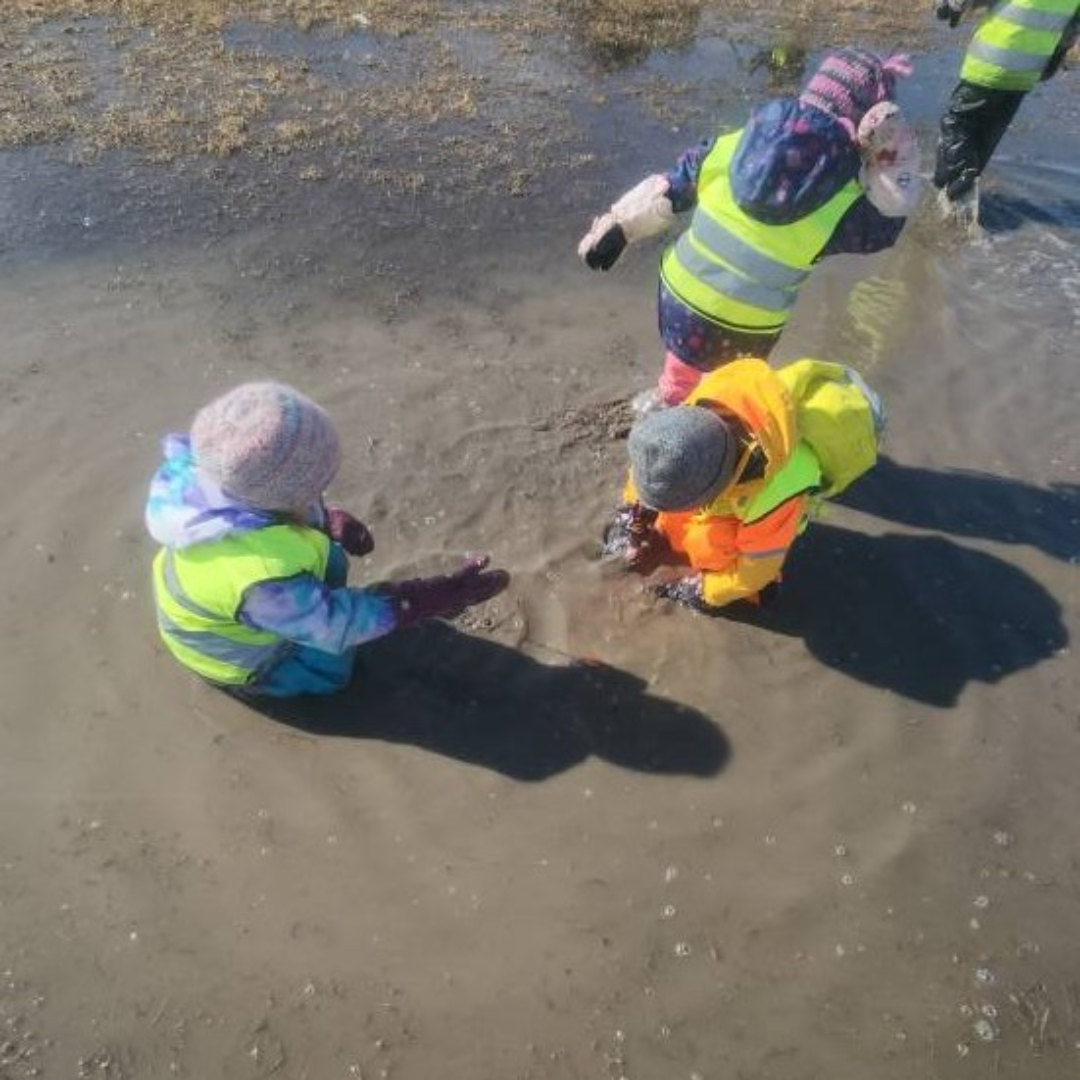
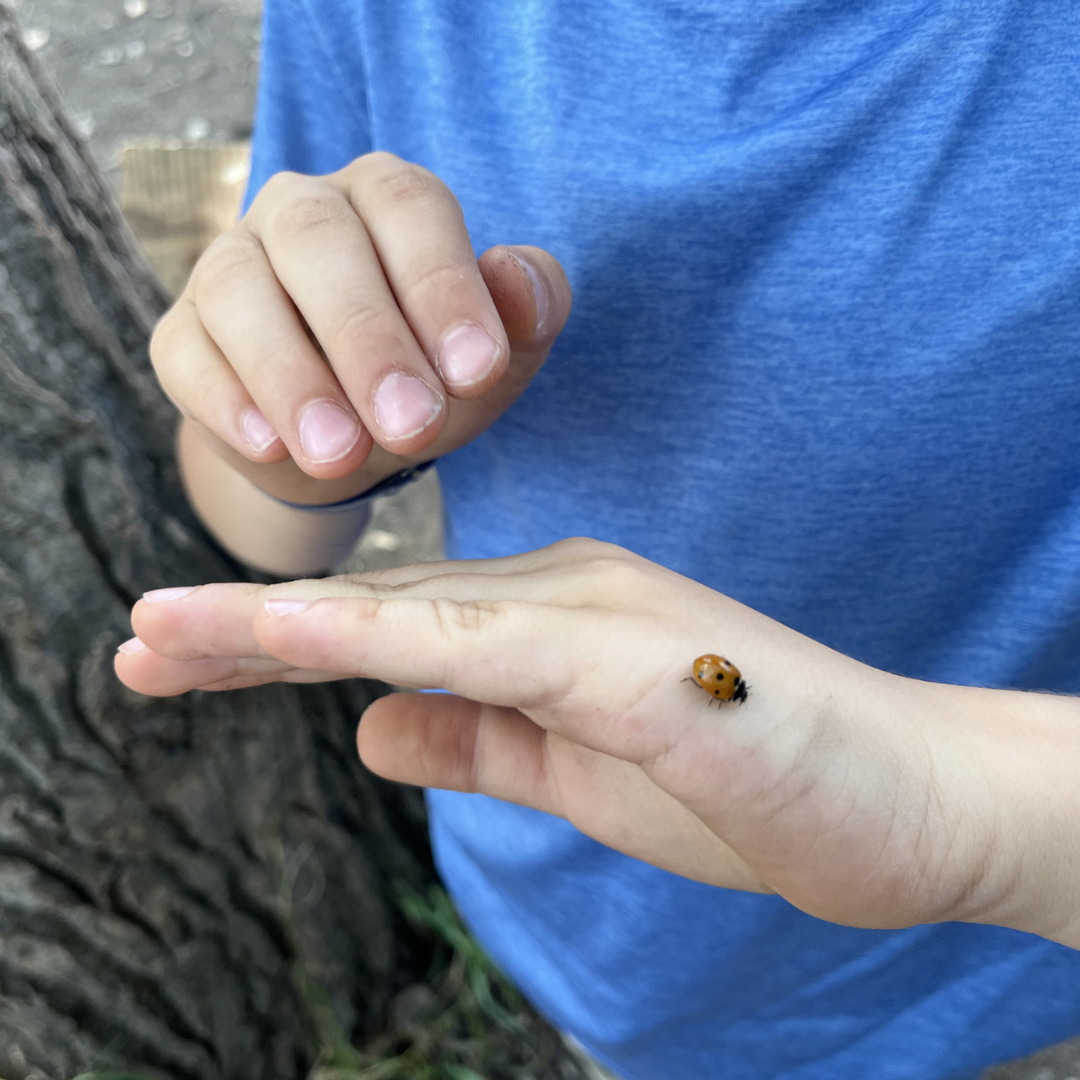
Spring brings immense energy and transformation, which makes it an exceptionally exciting season for outdoor play with children. As the world awakens from the winter, children are naturally drawn to the sights, sounds, and textures of the changing environment, including emerging greenery, the return of birds and insects, and the feel of wet mud. Sensory stimulation is heightened as we go on scavenger hunts with children looking for snails, worms, ladybugs, and insects. As well as smell the rich earth after the spring rain, splash joyfully in puddles, smear slippery mud on our hands, and cook in the kitchen mud.
Summer is often the season when educators feel drawn to spend extended time outdoors, finding it to be a profound period of connection and reflection. This is when we venture deeper into the forest, embark on immersive nature walks, fully engage all our senses, and intentionally give back to the natural world. Through our experiences alongside the children, we learn that reciprocity, where we care for the land just as deeply as the land cares for us.
So why Outside Matters? Mind and Body Benefits
With 14 years of professional experience in early childhood education, I have witnessed firsthand the profound transformation that occurs when children spend time outdoors. These include:
Physical Health: Navigating uneven terrain, balancing on natural surfaces, and moving freely in unlimited space.
Mental Clarity and Regulation: Nature acts as a natural nervous system stabilizer. It helps children successfully self-regulate and find calm.
Risk-taking and Confidence: Children safely learn to navigate micro-risk, manage physical challenges, and build lifelong self-confidence.
Conclusion: Stepping Outside Together
Reflecting on my journey: From gazing upon the lush green mountains of my homeland in my youth to embracing the crisp, snow-covered landscapes of Canada, I have come to realize that nature has always been my most patient and profound teacher.
If there is one central practice I would invite you to weave into your educational routine, let it be seasonality—the simple yet profound practice of observing how each season invites us to look more closely at the world right outside our door and ask, What is happening today?
When we create a daily practice of slowing down with children and turning our attention to what is unfolding just beyond the window, we open the door to endless possibilities. Their curiosity is awakened by what they see, hear, feel, and discover in the present moment. We are not simply changing a daily routine; we are creating space for children to pause, wonder, imagine, and connect. We are offering them the vital opportunity to breathe, create, and grow in relationship with the land and the living world around them.

Fikrat Al Morda is a Registered Early Childhood Educator (RECE) and outdoor learning advocate in London, Ontario. Having lived in Canada for nearly 20 years after growing up amidst lush green mountains and Mediterranean warmth, her relationship with the natural world was profoundly transformed by the rhythm of Canadian seasonal shifts. Inspired by how nature transforms children's inquiry and emotional well-being, she pursued her Early Years Outdoor Play and Learning Certification with Take Me Outside to deepen her work as an outdoor facilitator. Fikrat's practice emphasizes reciprocity and deep listening, encouraging children and educators alike to slow down, walk gently, and build a meaningful, respectful relationship with the land.
Share your thoughts on this topic in the comments below to keep the conversation going!