
WINTER RETHINK 2026: RETHINKING PLAY
When we began planning Winter Rethink 2026, we started with the simple question: "What needs rethinking this year?" With current world events, we were quickly reminded that children have the right to play, and that right needs to be protected and advocated for.
The United Nations Convention on the Rights of the Child states in Article 31 that every child has a fundamental right to rest, leisure, and play (THE CONVENTION on the RIGHTS of the CHILD in Child Friendly Language, n.d.). Yet, we know that historically, as well as today, there are children in our communities and beyond who are not guaranteed a playful childhood. As early years professionals, we play a very important role in advocating for and protecting that right.
In practice, this may look like participating in professional learning, creating warm and inviting environments, and offering a variety of rich, full experiences for the children that follow their interests and ideas.
Winter Rethink 2026 gave us the opportunity to come together in reflection on what play truly means and why it matters.
More Than “Just Play”
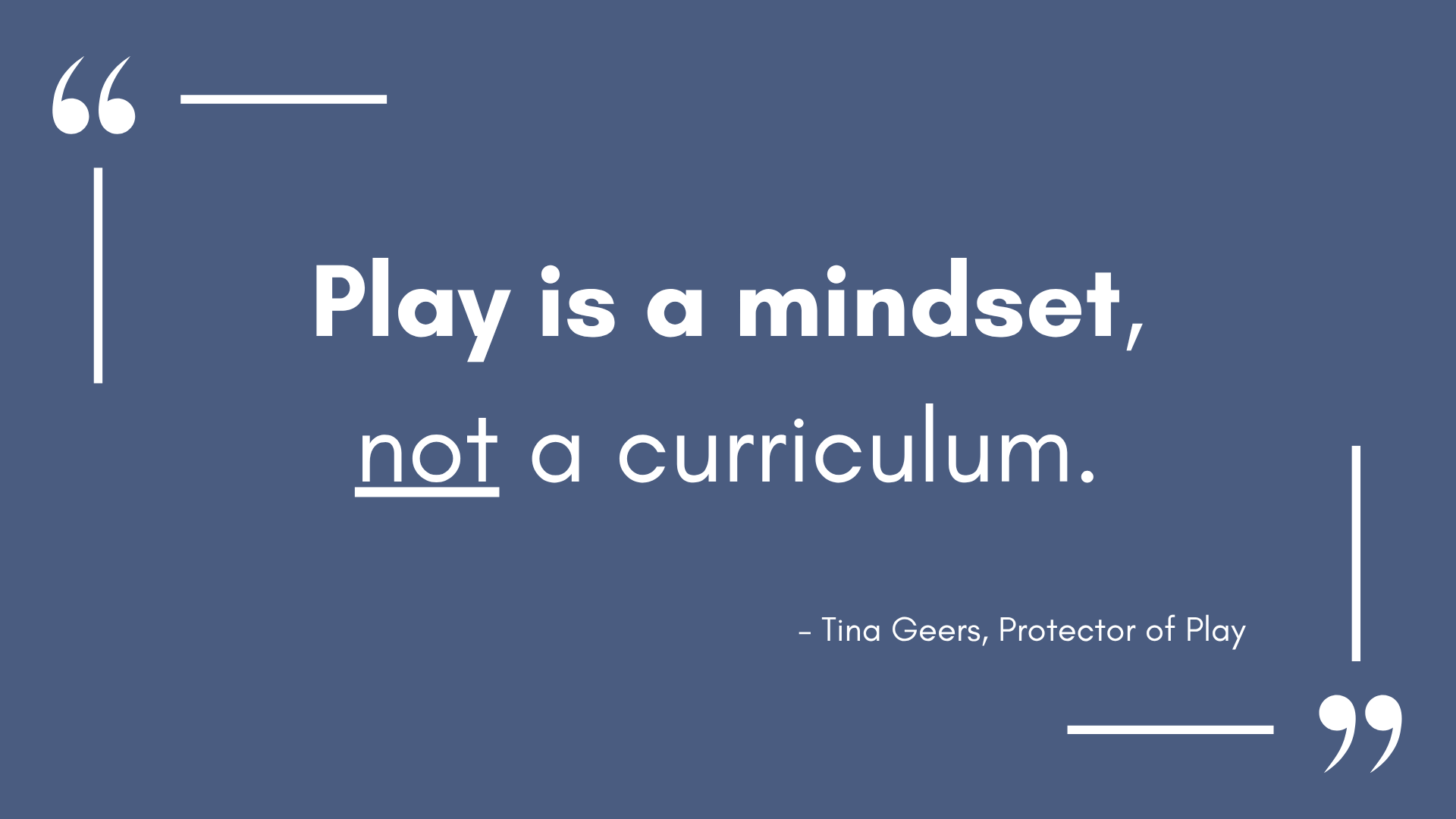
In everything we did on February 7th, one idea continued to resurface: play is not extra or “just” anything - it is how children learn. Curriculum tells us what children learn, but play is how children learn it.
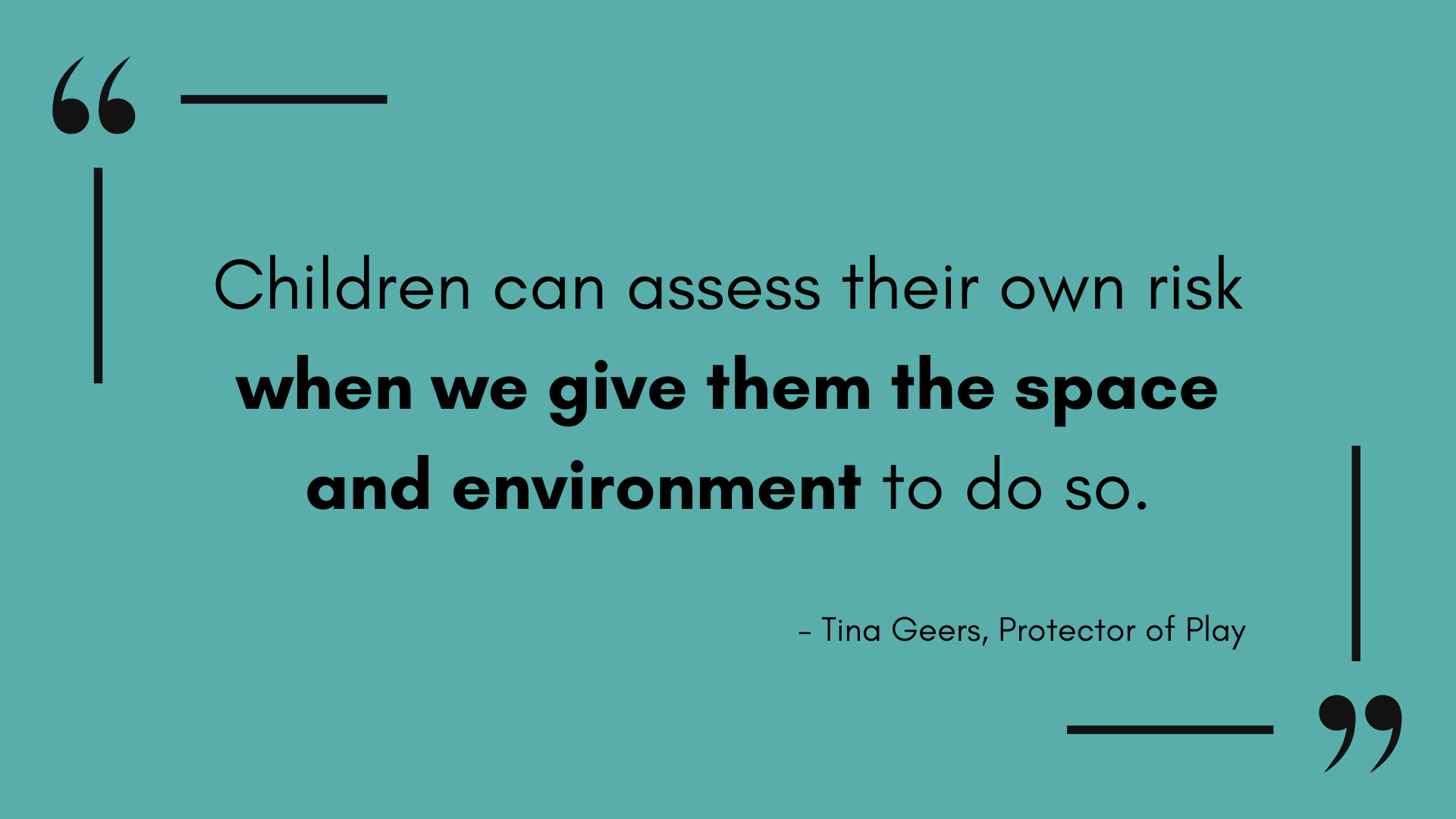
Through play, we know that children connect with others, build understanding about the world around them, feed curiosity, and build resiliency. Children are also capable risk assessors when given the opportunity! When educators create environments that nudge children to follow their natural curiosity, children can safely practice making decisions, testing limits and boundaries.
Play is a vehicle for learning and rests at the core of innovation and creativity. It provides opportunities for learning in a context in which children are at their most receptive. Play and academic work are not distinct categories for young children, and learning and doing are also inextricably linked for them (Ontario.ca, 2020).
Putting Play in Action
When we gathered together for Winter Rethink 2026, we knew we wanted to create an environment where learning, reflecting, and most importantly, playing together, could happen! Songs were sung, games new and old were remembered and played, bodies danced around the room to blow bubbles, all while we participated in conversations around pedagogy and daily practice.
Many comments were exclaimed like:
“I forgot about this game!”
“I used to play this with my siblings!”
“Remember this one?”
A palpable energy could be felt in the room as we remembered that play lives within each of us. Reconnecting with that joyful, child-like curiosity and forgetting some of those self-imposed rules we place on ourselves can help us not only better understand the children we work with but can also remind us of our why.
An Invitation to Reflect
We invite you to take a moment to reflect on your own childhood.
What did you spend time doing?
What games were you drawn to?
Who did you play with?
How did those experiences make you feel?
Each and every one of us likely feels strongly about aspects of play we engaged in during our own childhoods, these memories and feelings sticking with us long after those days have passed. This can help us recognize how profound and important everyday moments are with the children that we spend each day with.
Call to Action / The Role of a Play Protector
Each and every day offers us opportunities to put our advocacy into practice, and that begins with observation, reflection, and curiosity. By paying close attention to what children are wondering about and exploring, we can support their desire to lead their own learning. When we notice their interests, we can ask thoughtful questions, offer invitations and provocations, and create opportunities that extend and deepen their thinking.
Advocacy also comes through the language we use; language matters, and sometimes the learning that is happening during play isn’t always easily visible. When sharing observations, instead of saying the children are “just playing”, consider describing how the children are exploring, collaborating, testing their theories or working hard to understand the world around them.
As Mitchell reminded us at Winter Rethink: “We are all still learning, so let’s play!” Winter Rethink was not meant to be a single day of learning; instead, it is an invitation to continue to reflect, question, and learn together.
In the land acknowledgement shared by Ally, she reminds us that “Play and learning belong to everyone. To walk forward with integrity means inviting each other into spaces of curiosity, courage, kindness, and respect.” As dedicated early years professionals, advocates and lifelong learners, we carry that responsibility forward with us every day - creating environments where play, curiosity, and belonging can flourish!
References
THE CONVENTION ON THE RIGHTS OF THE CHILD in child friendly language. (n.d.). https://www.unicef.ca/sites/default/files/imce_uploads/UTILITY%20NAV/TEACHERS/DOCS/GC/CRCPosterEN_FA.pdf
Ontario.ca. (2020). The Kingergaten Program 2016. www.ontario.ca/document/kindergarten-program-2016
Share your thoughts on this topic in the comments below to keep the conversation going!